Interdisciplinary Endangered Species Drawings

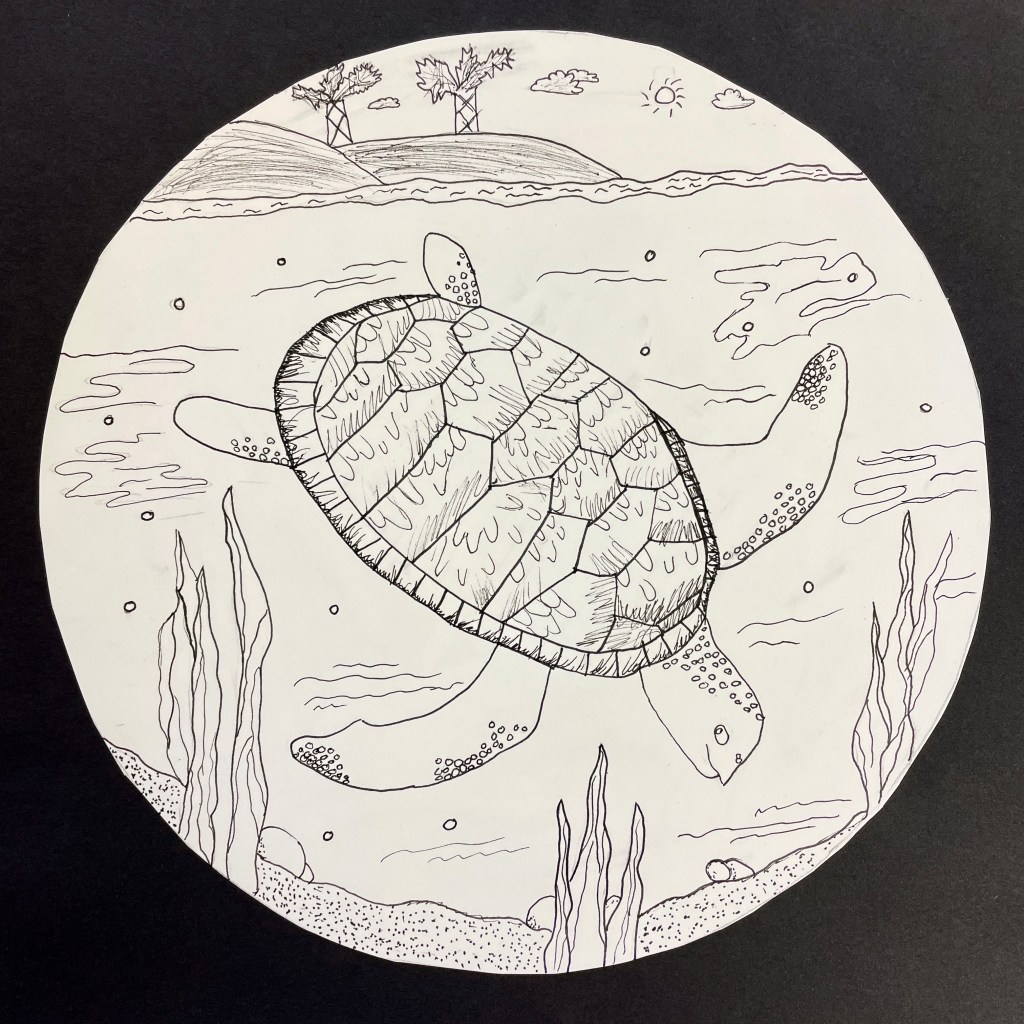

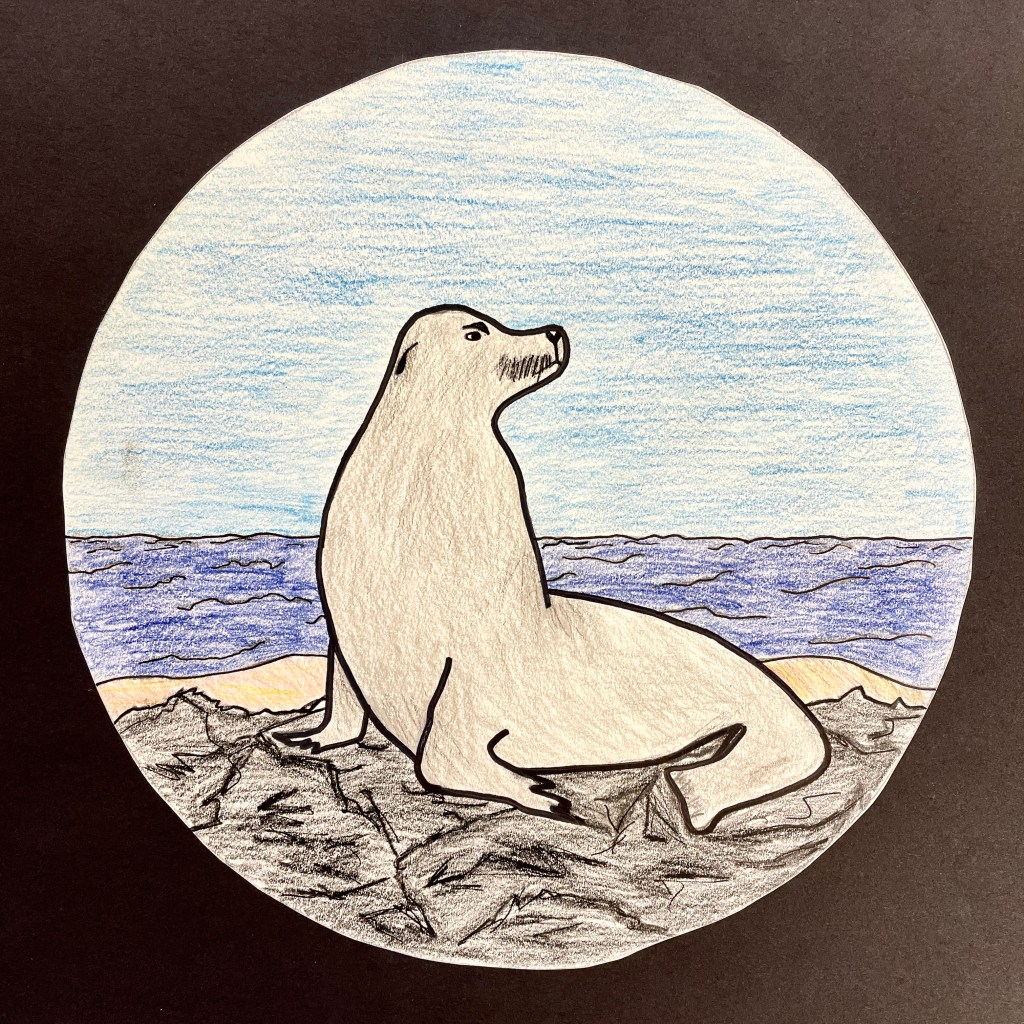

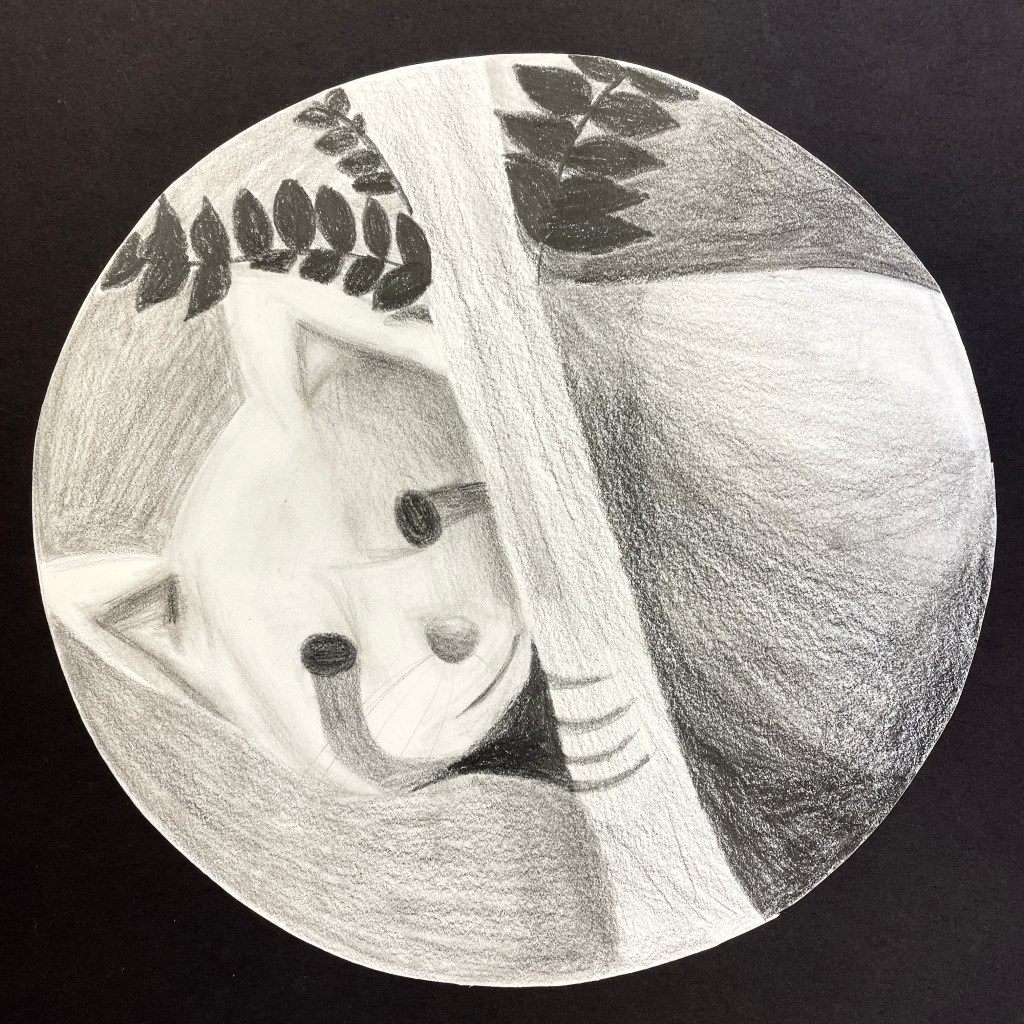

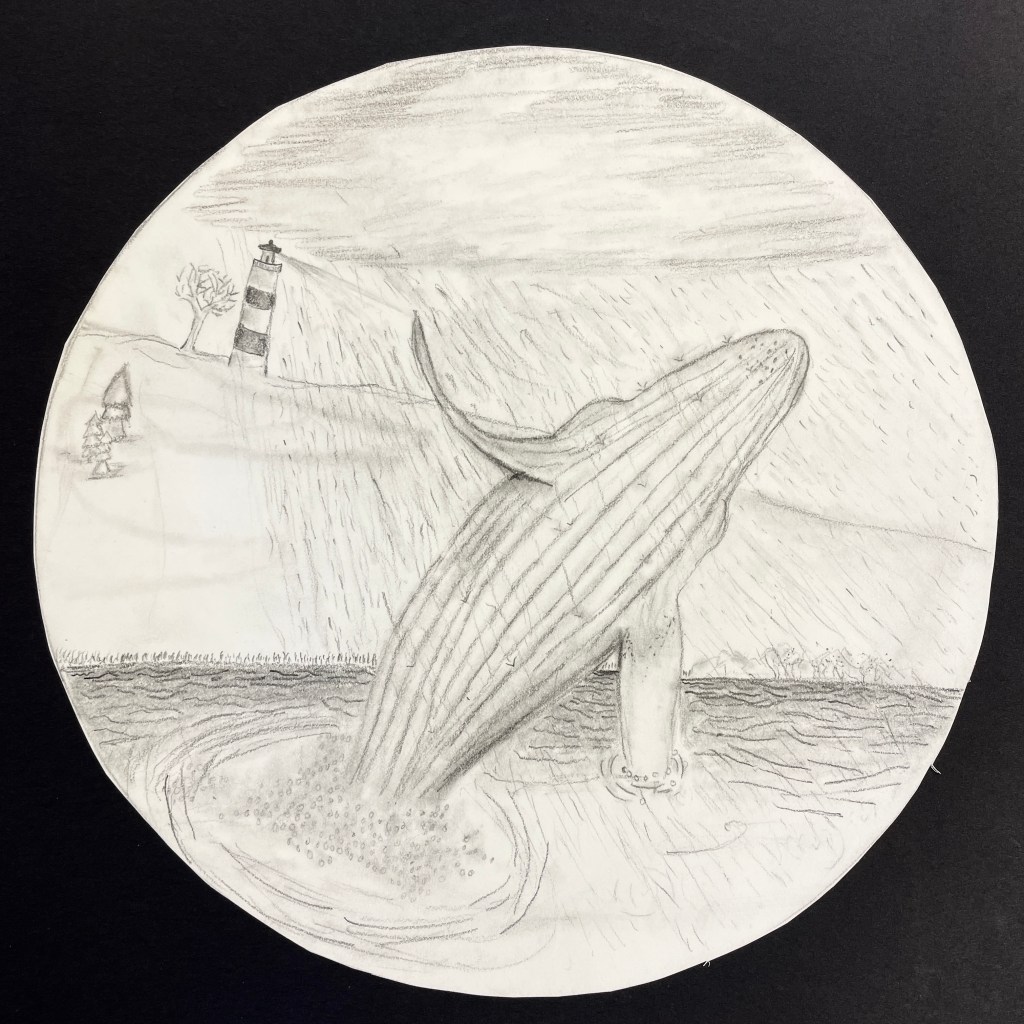
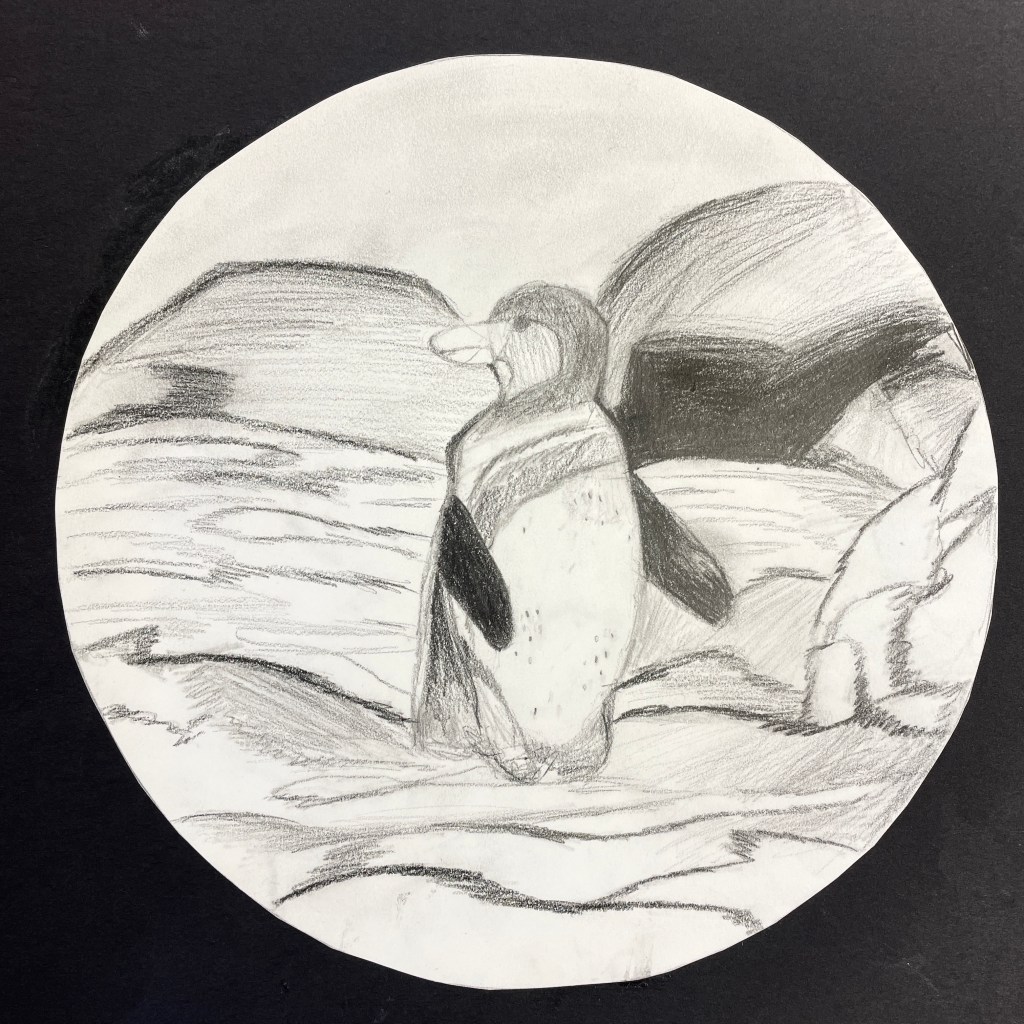
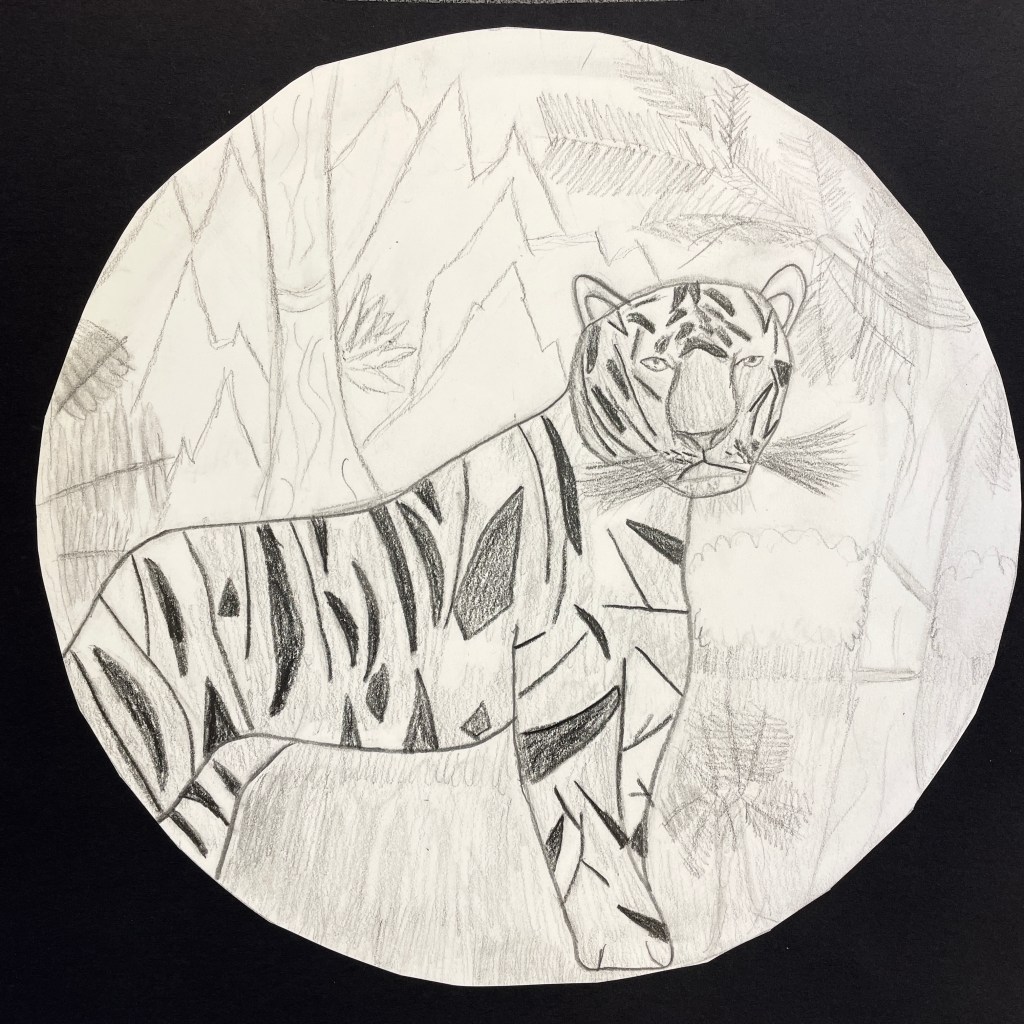
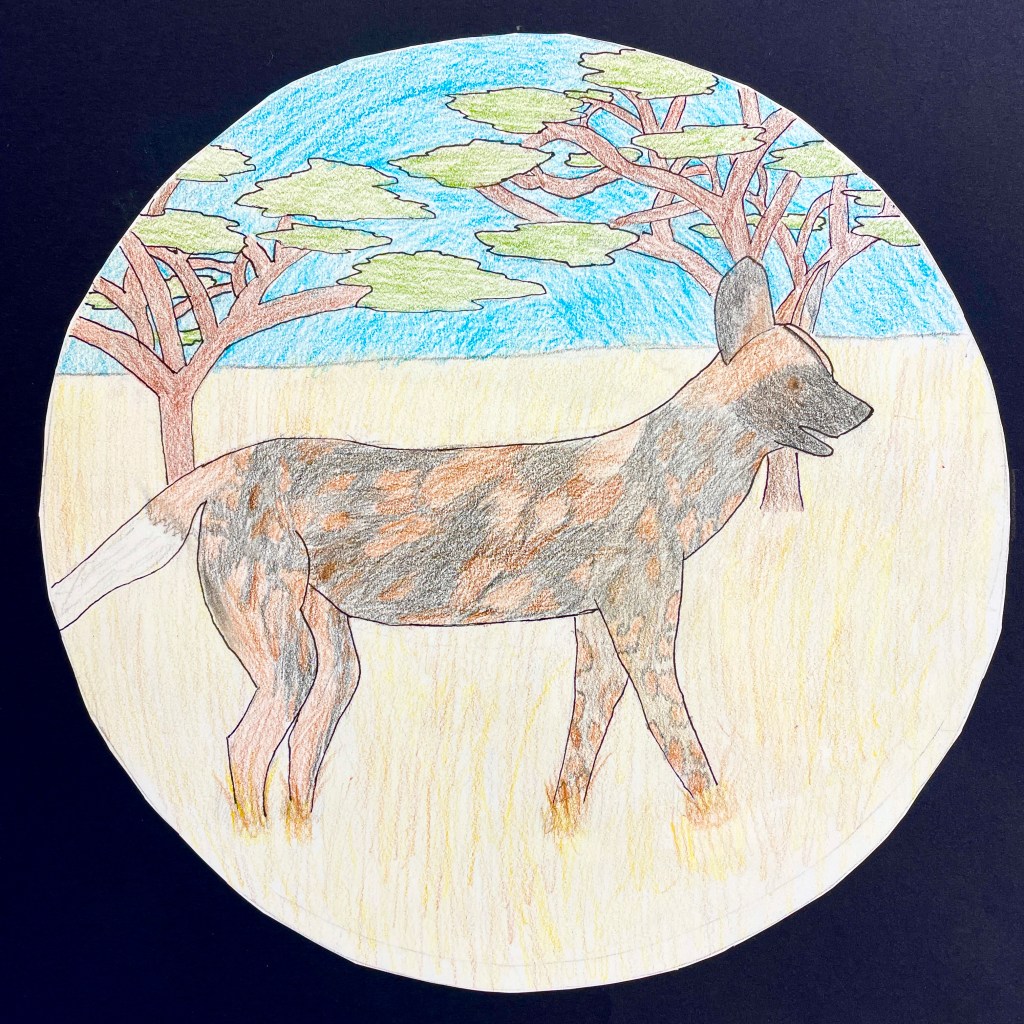
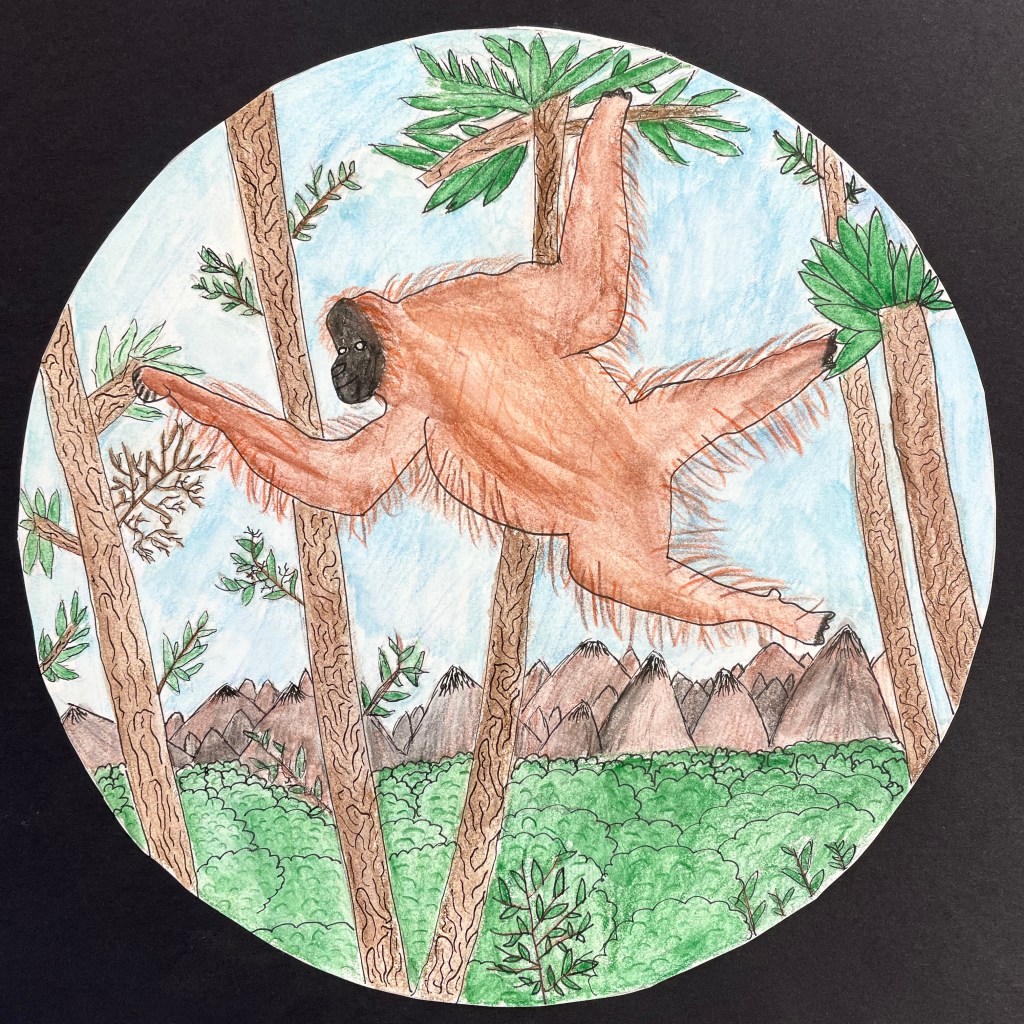
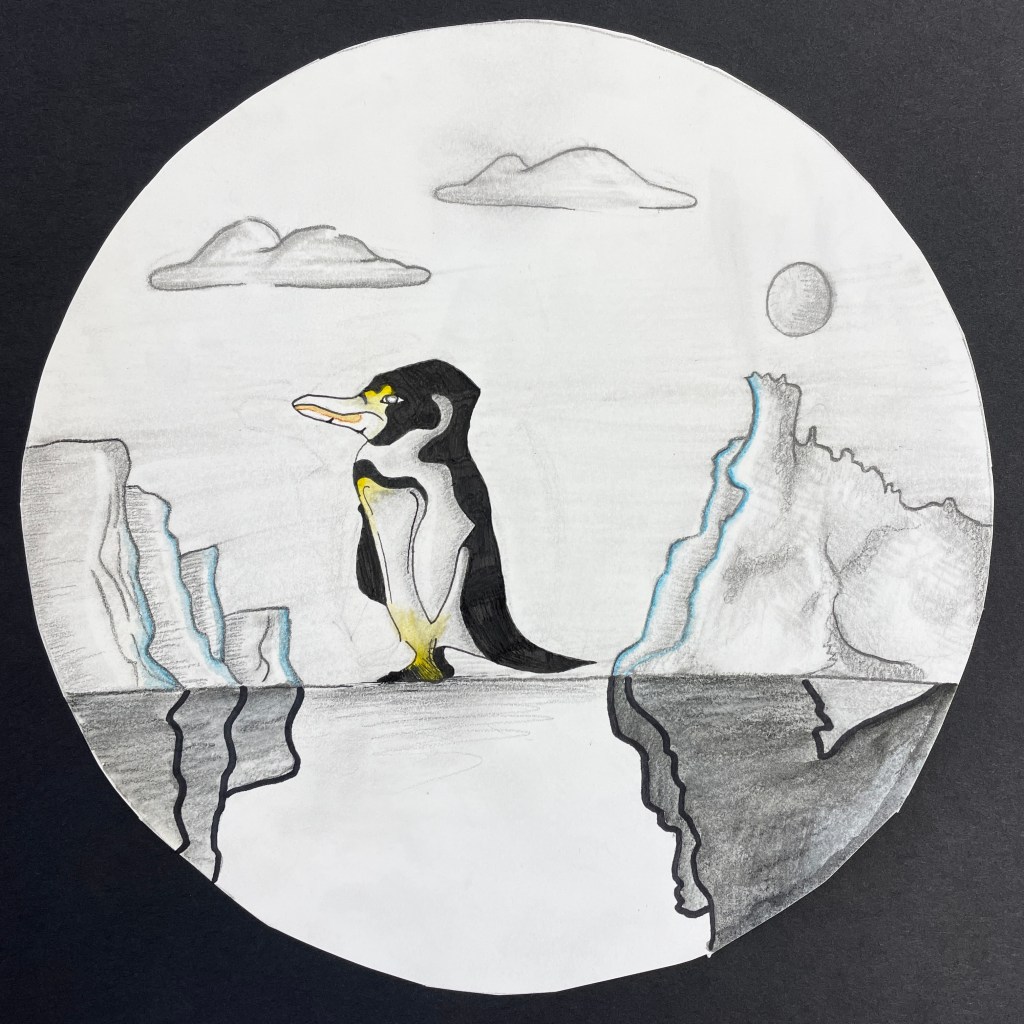
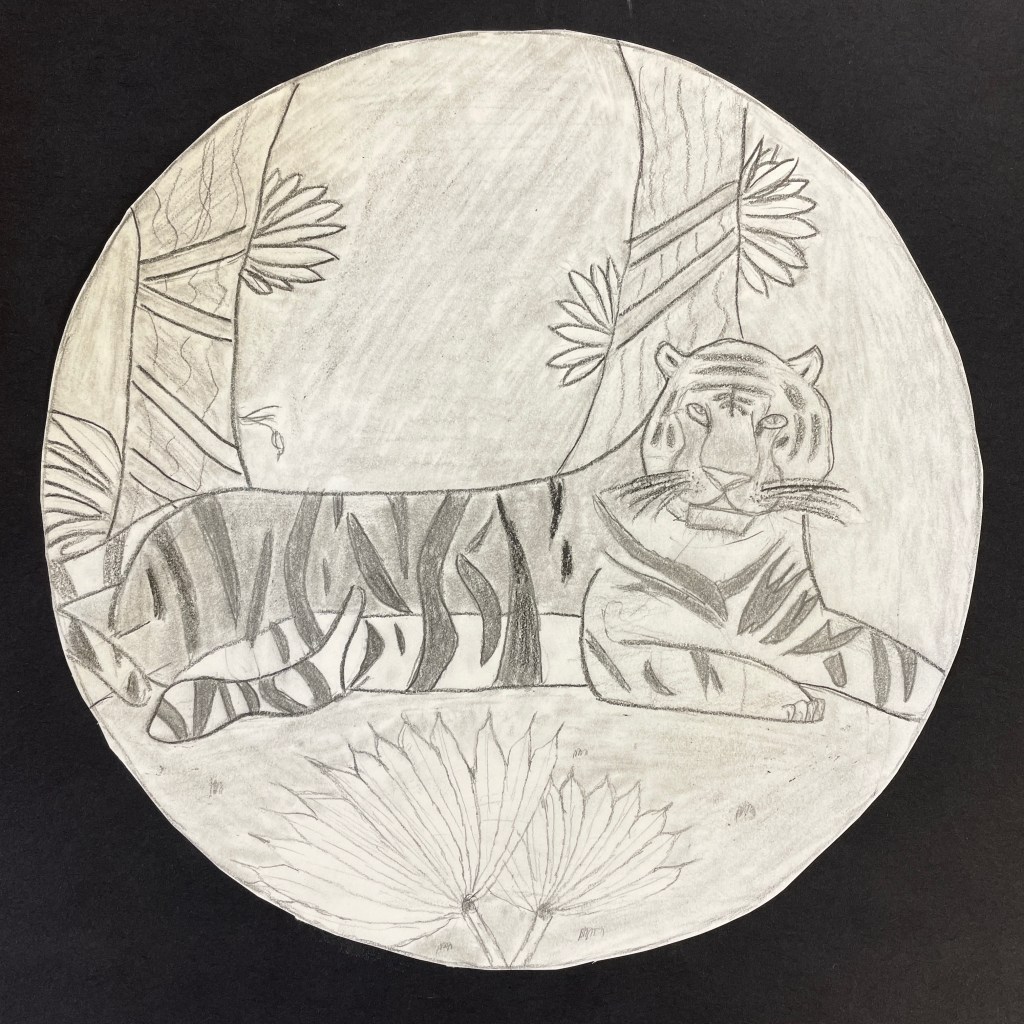
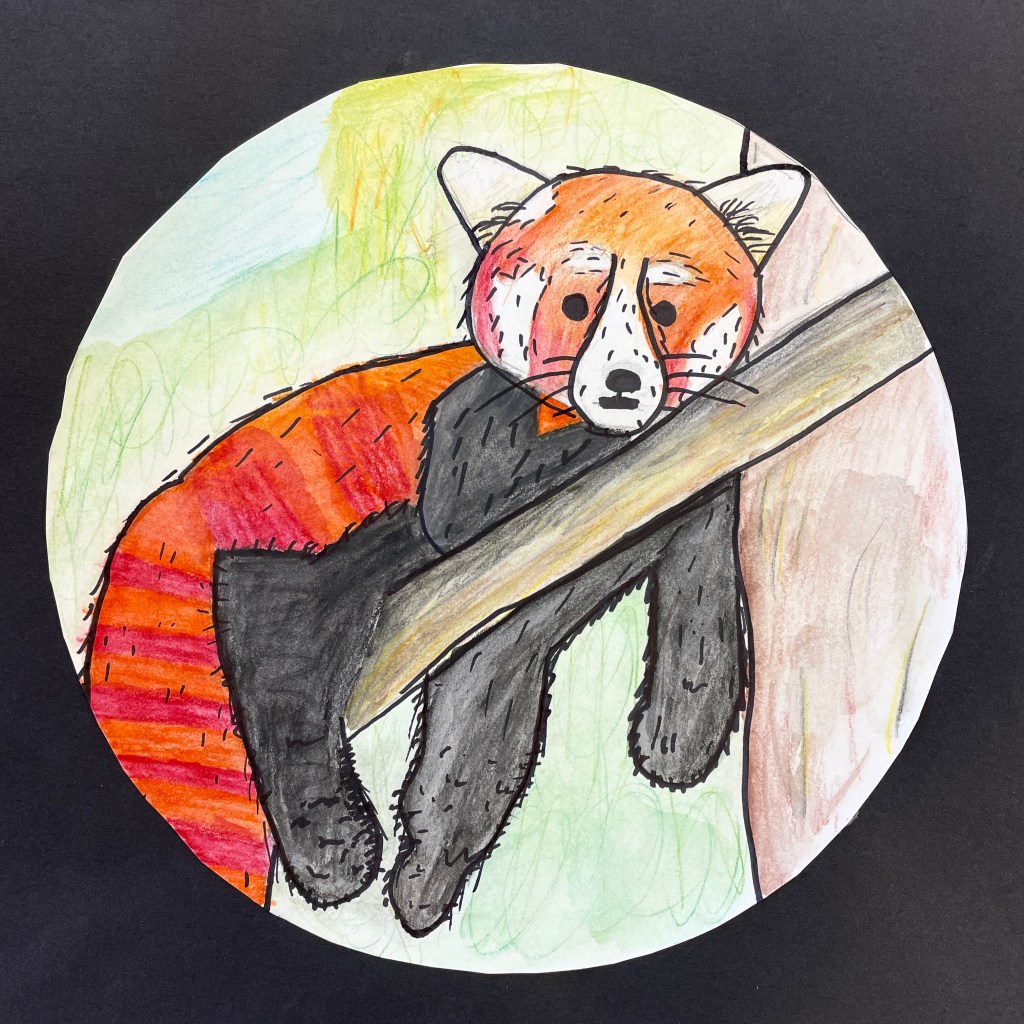

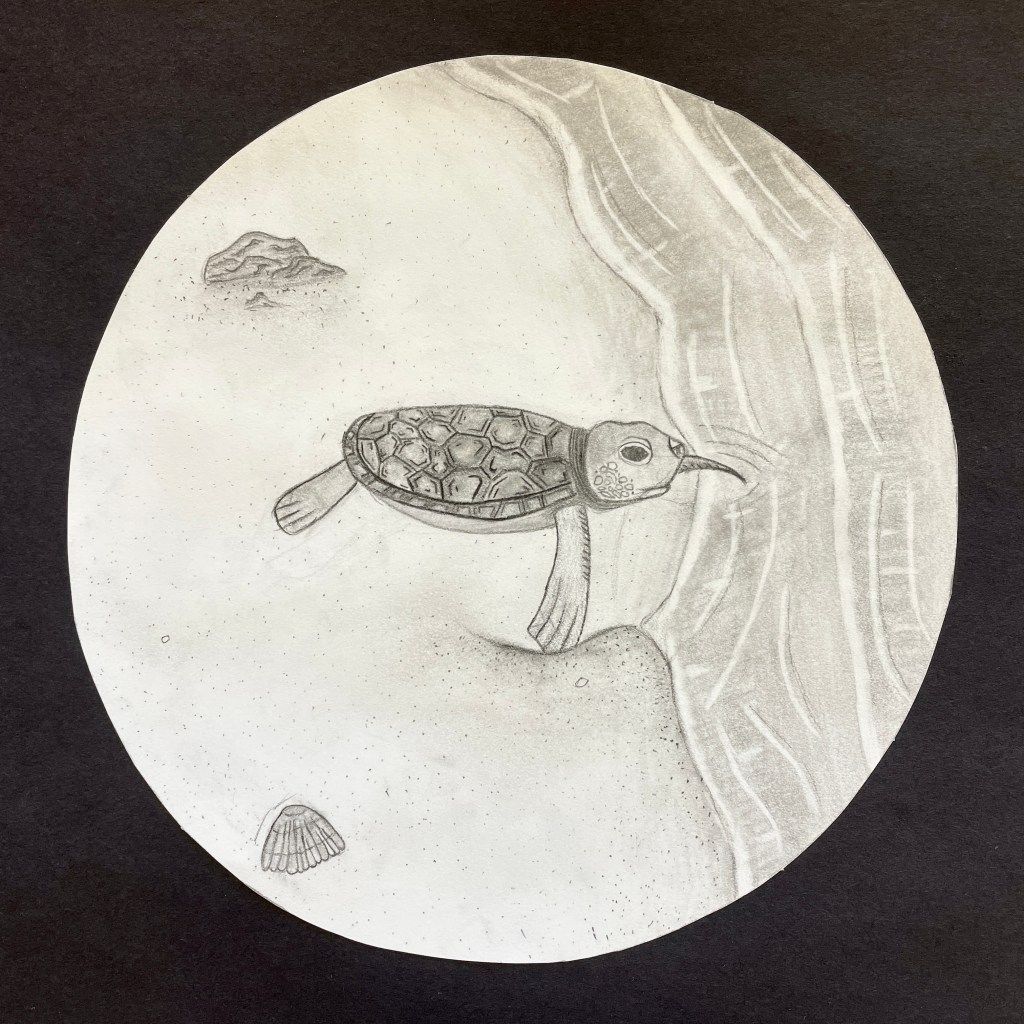
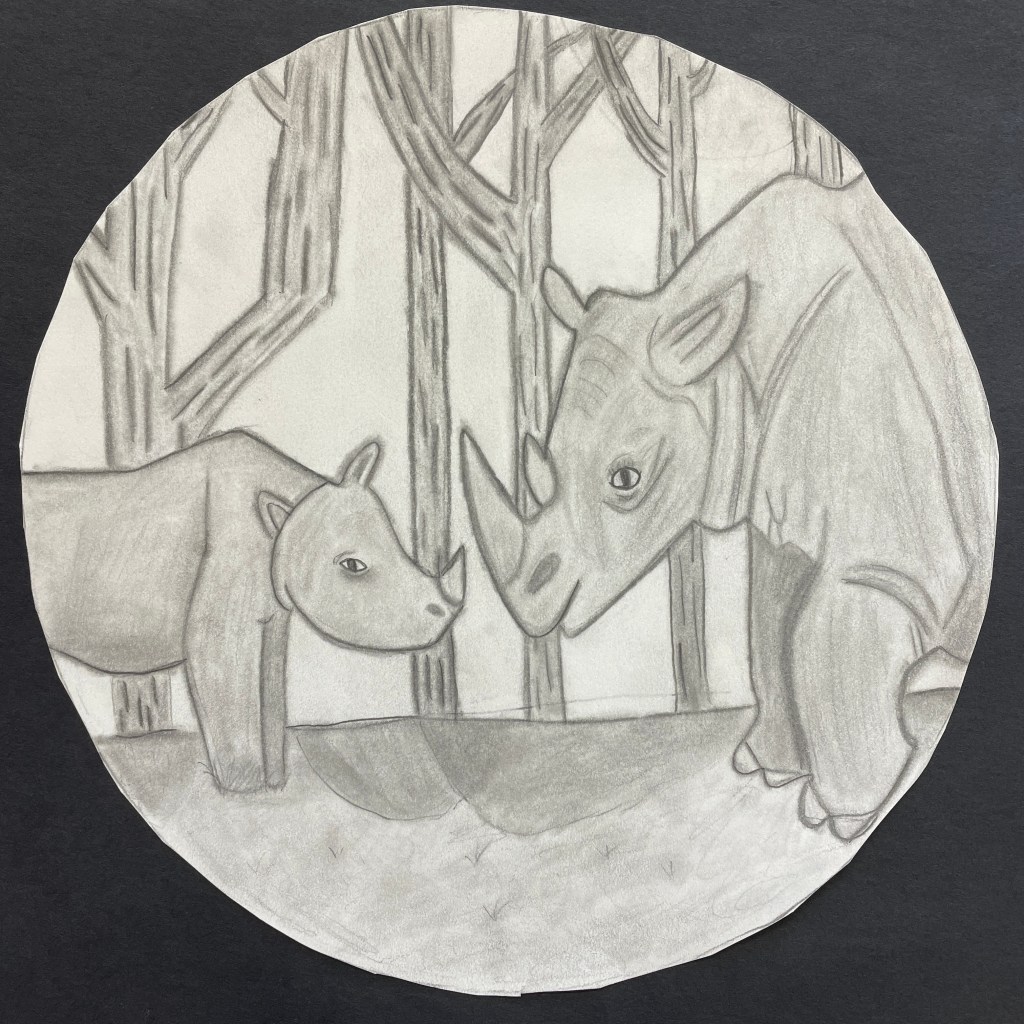
Looking to incorporate some interdisciplinary learning into your art classroom? This Endangered Species Illustration project was completed in collaboration with our science department. Students conducted research, drew an animal in its natural habitat, and wrote an accompanying descriptive paragraph during both their science and art classes!
Massachusetts Life Science standards for 7th grade include understanding ecosystems and the interdependent relationships among species. For this assignment, students were asked to choose an endangered animal to draw, and to identify what biome their chosen species can be found in. They had to identify what biotic, (living,) and abiotic, (non-living,) factors might be present in its habitat, as well as research what threats it is facing and what humanity can do to help protect it. My team science teacher and I developed two handouts to structure this process easily, using the World Wildlife Foundation website.
Here is the handout the students did first, in art class. It took most of them a single class to complete the research portion and create a VERY basic sketch in the provided circle on the back. Make a copy to edit this for your own purposes!
Endangered Species Drawing: Planning and Research Document
While the students were working on their illustrations in art class, (about 1 week, meeting daily for 47 minutes each day,) they used the information from their initial research to develop a more structured and thoughtful paragraph in their science class. Here is the Google doc that they completed to write their accompanying Paragraph. Make a copy to edit this for your own purposes!
Endangered Species Drawing: Paragraph Instructions
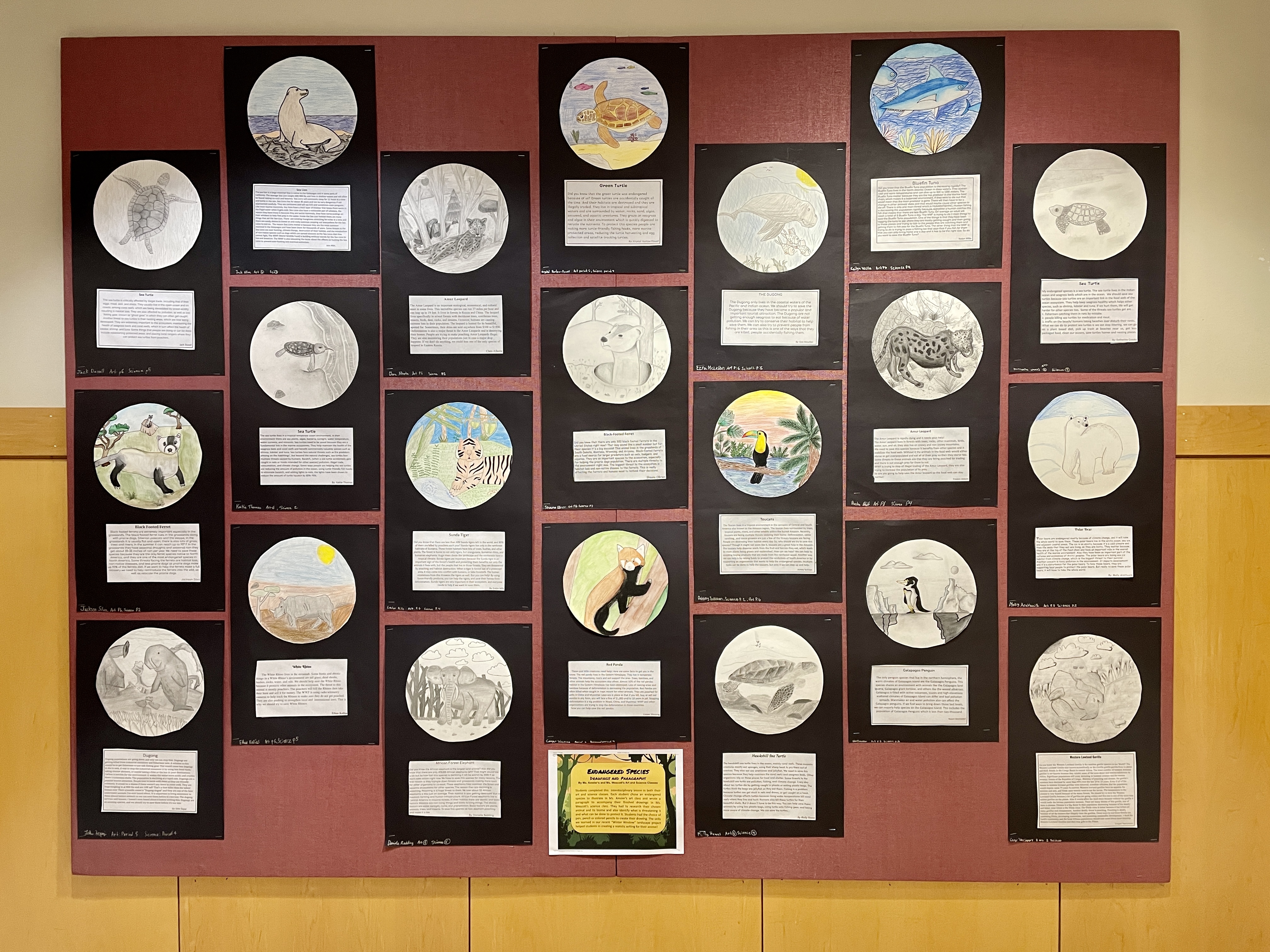
When both the illustration and paragraph were completed, students mounted the two together on black paper.
A note on the illustration. This lesson followed a landscape assignment entitled “Winter Windows” in which we learn how to create the illusion of depth on a 2-dimensional surface using the relative size and placement of elements to suggest foreground, middle ground and background. Part of the goals for this drawing was to build upon their knowledge of landscape drawing in order to depict a realistic and appropriate biome/environment for their animal illustration. I gave the students the choice of completing their final drawing with three different materials options: pencil only, Sharpie/Micron pen only, (“Pen and ink”), or colored pencils, (either regular or watercolor type). In previous lessons we had discussed creating value through varied pencil pressure, color mixing, and blending. It was up to each individual student to expand their skillset and apply what they had learned to this assignment. The choice of a 9” circle as the final illustration shape was fun, different, and a nod to our shared planet: Earth! It worked perfectly for this Eco-friendly assignment!
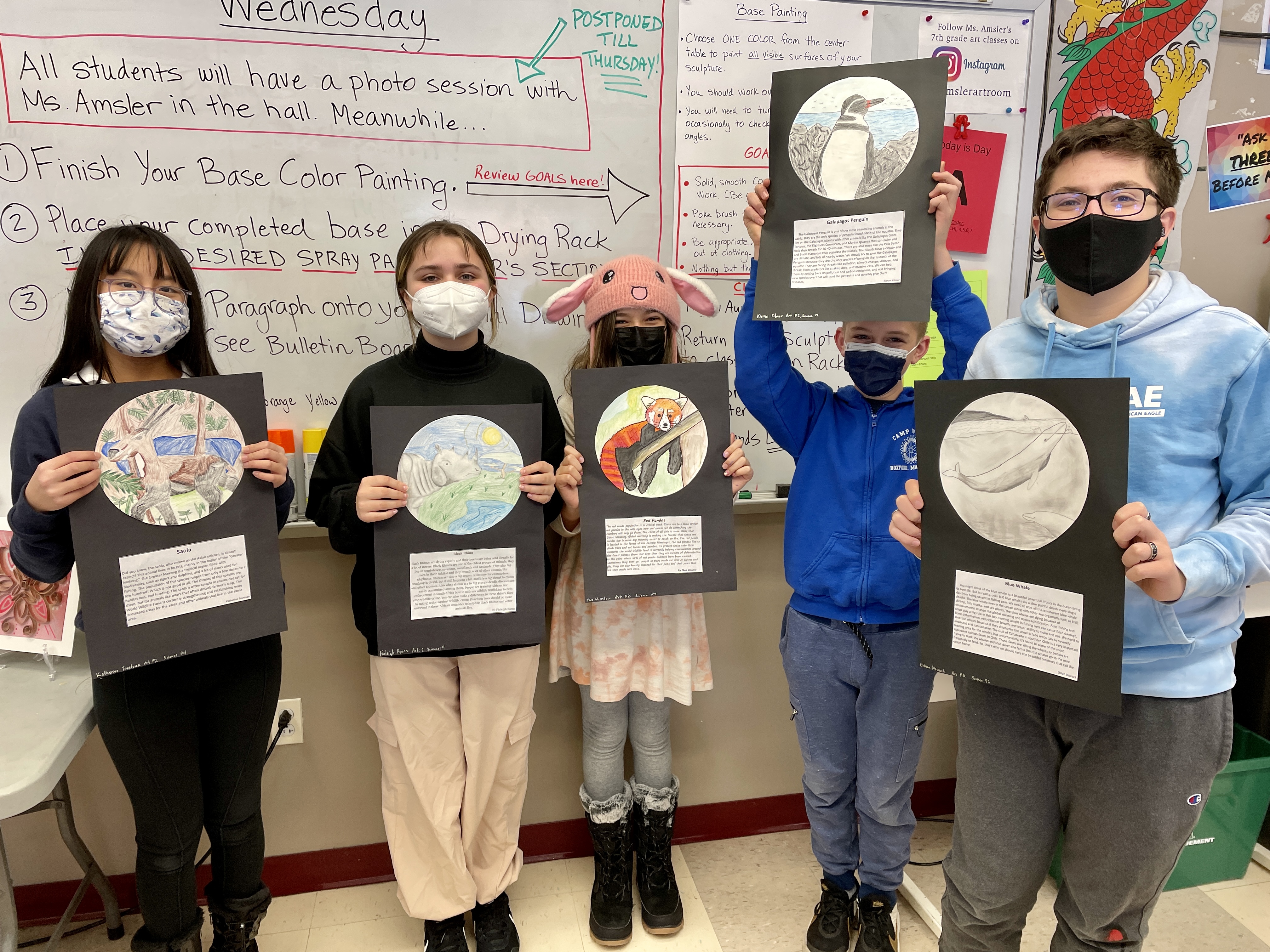
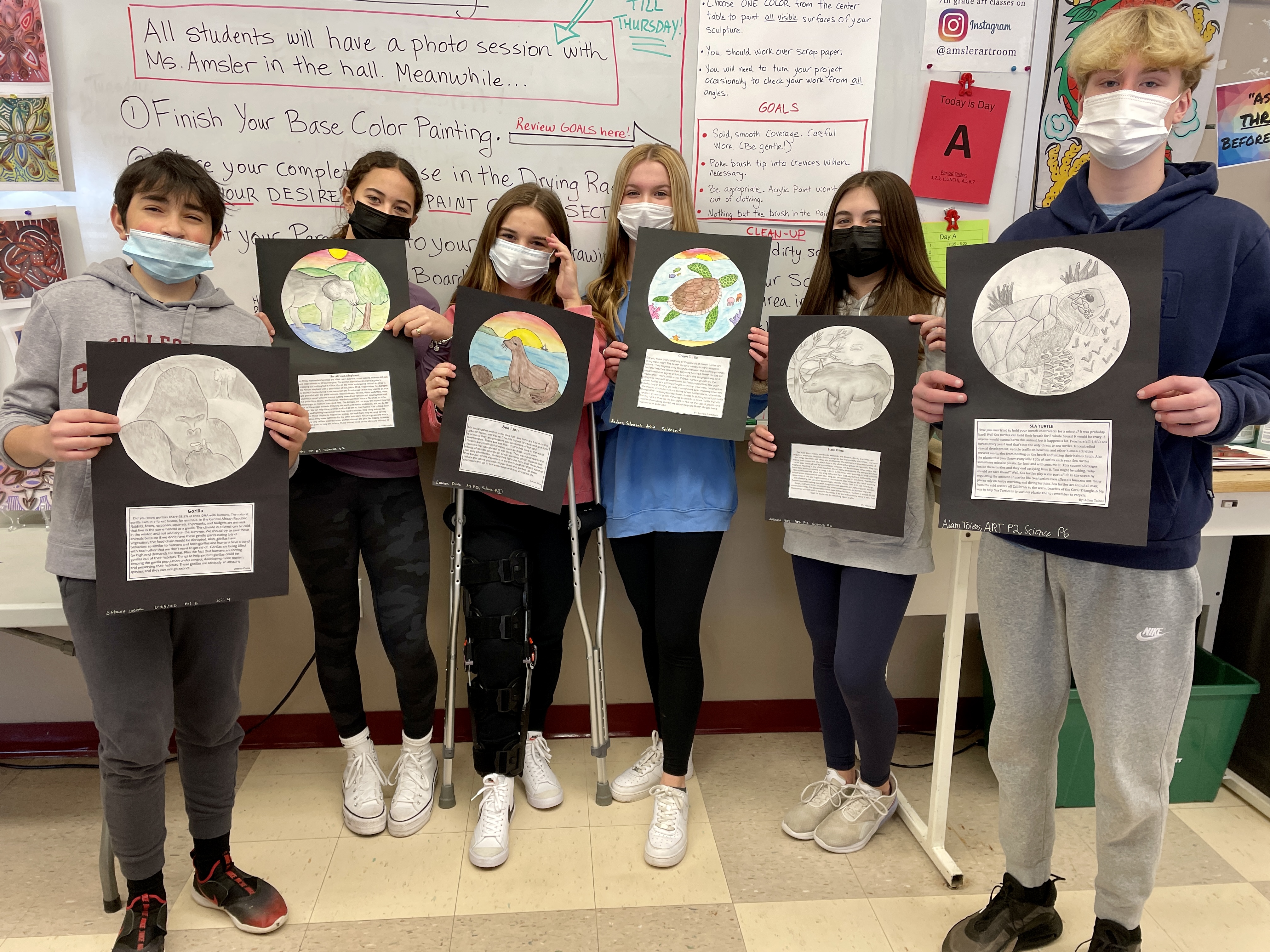
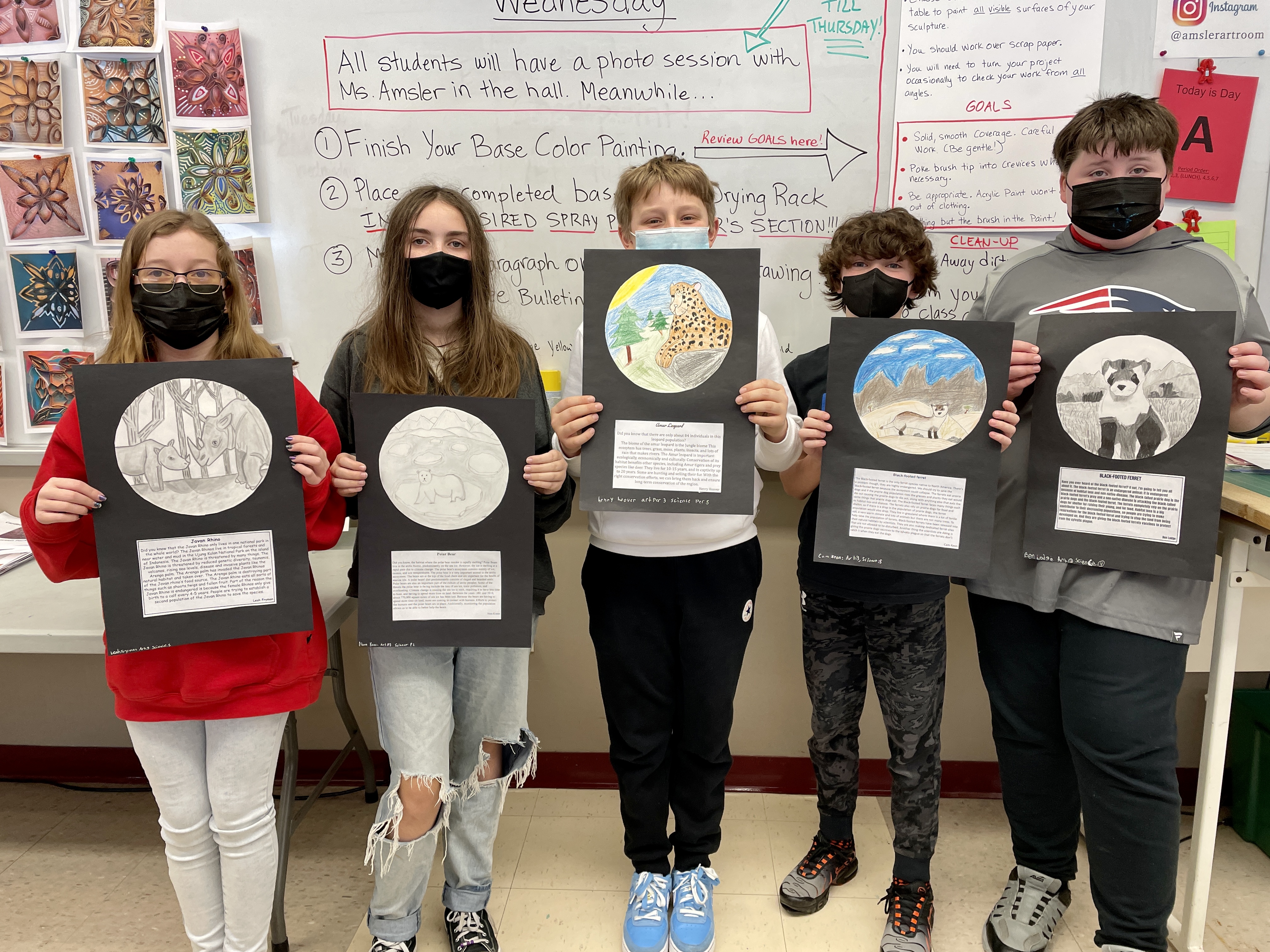
Here are some proud students with their finished research and art, as well as some of our bulletin board displays!


 Ms. Amsler's Artroom